
-
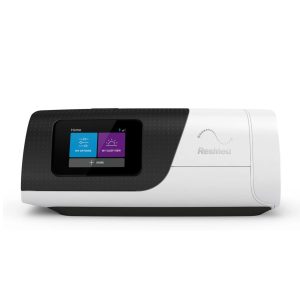
Automatic CPAP Machines
Shop NowShop -
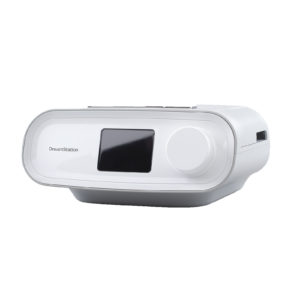
Fixed CPAP Machines
Shop NowShop -
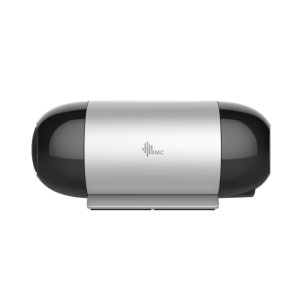
Travel CPAP Machines
Shop NowShop -
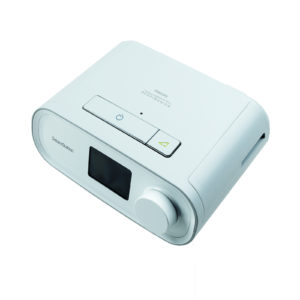
Philips CPAP Machines
Shop NowShop -
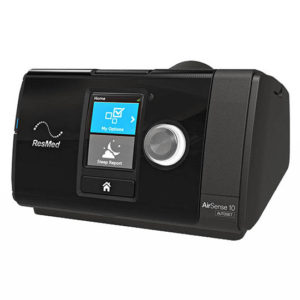
ResMed CPAP Machines
Shop NowShop -
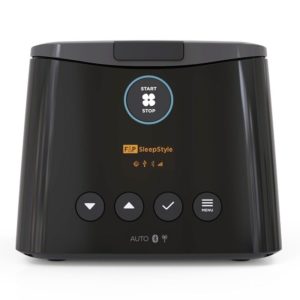
Fisher and Paykel CPAP Machines
Shop NowShop -
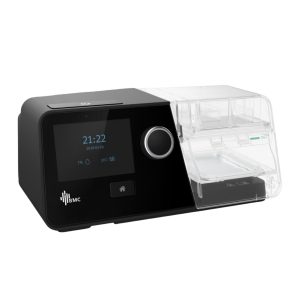
BMC CPAP Machines
Shop NowShop -
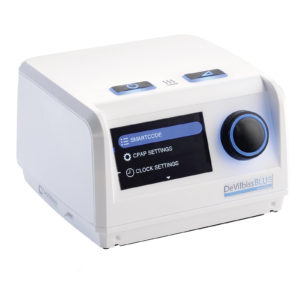
Drive DeVilbiss CPAP Machines
Shop NowShop -
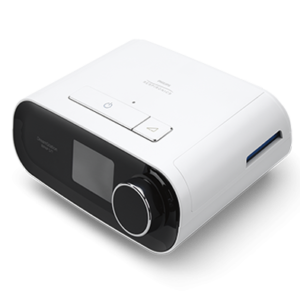
BiPAP Machines
Shop NowShop -
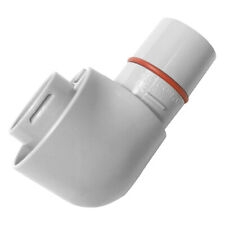
Spares and Parts
Shop NowShop
Sleep Apnea Machines
We offer a large selection of CPAP devices and compatible comfort accessories from popular brands so you can regain the sleep you need.
What is CPAP therapy?
CPAP (Continuous Positive Airway Pressure) treats Obstructive Sleep Apnea with a CPAP machine and mask that delivers a consistent flow of pressurised air hroughout the night to prevent Sleep Apnea events. It is the most widely used treatment option, used by millions globally.
You can add extra comfort with a CPAP humidifier, or some machines come with an included humidifier. This adds moisture and warmth to the pressurised air delivered through the night, helping to prevent dryness, congestion and other discomforts.
At what level of Sleep Apnoea do you need a CPAP machine?
A Sleep Apnea machine is the most effective treatment for all severities of OSA. However, there are also alternative anti snoring options for lower severities.
Do you need a Fixed Pressure or Automatic CPAP machine?
There are two types of CPAP machines. Fixed Pressure stays at one pressure setting that your doctor or sleep test results calculate based on various factors. Auto Adjusting (known as Auto CPAP or APAP) machines are more common, and are for those who do not have a specific air pressure requirement.
Automatic CPAP machines have a range of sensors that allow them to calculate the correct air pressure at different times of the night. It can detect when you are about to stop breathing and raises the air pressure accordingly.
Once breathing has returned back to normal, it will drop the air pressure down again. This means you will ge tless pressurised air throughout the night than you would with a Fixed Pressure machine. Many people find the automatic setting to be more comfortable and effective.
Need help choosing a CPAP machine?
Choosing the right device for your needs can be difficult, especially if you are new to CPAP therapy. Our customer service team is happy to guide you to the right equipment and let you know what to look for when buying a CPAP machine. We are one of the UK’s largest CPAP machine suppliers, offering a wide range of devices and other CPAP equipment for you to choose from. Contact us via phone or email, and we’ll be more than happy to help you get the right equipment.
Getting used to CPAP Therapy
Getting used to treatment can be an adjustment, but it’s worth it for better sleep. It may feel strange wearing a mask to begin with, and it might take a few nights to get comfortable. Some people find falling asleep with the machine hard to start with. However, as you gradually adjust to the equipment, it gets easier and more comfortable.
Once you’ve adapted, you’ll likely notice significant improvements. You’ll wake up feeling more refreshed and alert because the machine prevents breathing obstructions. It can also reduce snoring for some users.
Remember, consistency is key. Using your device every night will help you adapt faster and experience the full benefits of therapy. If you face challenges, don’t hesitate to contact us for guidance. Over time, using your device can become a routine part of your sleep, making you healthier and feel better.
CPAP Machines FAQs
A BiPAP machine, short for “Bilevel Positive Airway Pressure,” is a medical device that assists individuals with breathing difficulties, especially those suffering from Sleep Apnoea or other respiratory conditions. It is a type of non-invasive ventilation that helps maintain an open airway and improves breathing during sleep or rest.
The BiPAP machine delivers two distinct levels of airway pressure: a higher pressure during inhalation (inspiratory positive airway pressure, IPAP) and a lower pressure during exhalation (expiratory positive airway pressure, EPAP). This pressure variation helps individuals breathe more easily by providing additional support during inhalation and preventing airway collapse during exhalation.
To use a CPAP machine, you must have Sleep Apnoea confirmed; you can do this by taking a home sleep test or PSG. Home sleep tests are a quicker and more convenient way of determining Sleep Apnoea as you can complete it in your own time without taking any time off work. You can find out more about our In-Home Sleep Test here.
Adjusting to CPAP therapy can take a few weeks; it shouldn’t be uncomfortable, although common issues can be resolved easily. Getting used to using a machine can take time, but once you start to experience the life-changing aspect, your confidence and compliance will increase. It is used by millions of people worldwide and is known as the gold standard treatment for Sleep Apnoea.
Snoring is a symptom of Sleep Apnoea; if you have the condition confirmed, using a CPAP machine can stop snoring associated with the condition as it keeps your airway free of blockages.
If you are recommended to use a CPAP machine, you should use it all night. Removing your mask and pausing your therapy can make the symptoms return and Apnoea events increase.
Keeping on track with your therapy ensures your Sleep Apnoea is treated, allowing you to wake up feeling refreshed from restorative sleep.
It takes time to adjust to using a machine, and many people don’t feel the benefits until they have used the machine for a few weeks. If you have been using CPAP therapy for a long time and keep waking up tired, there may be an air leak due to an ill-fitting mask, preventing you from receiving effective airway pressure.